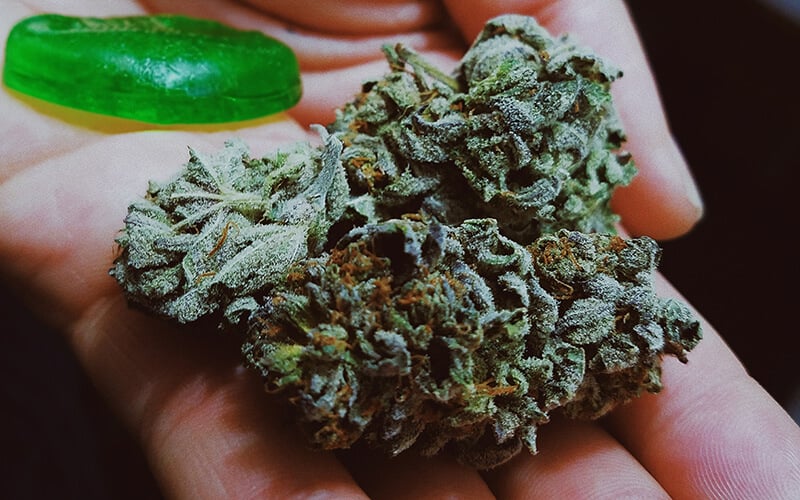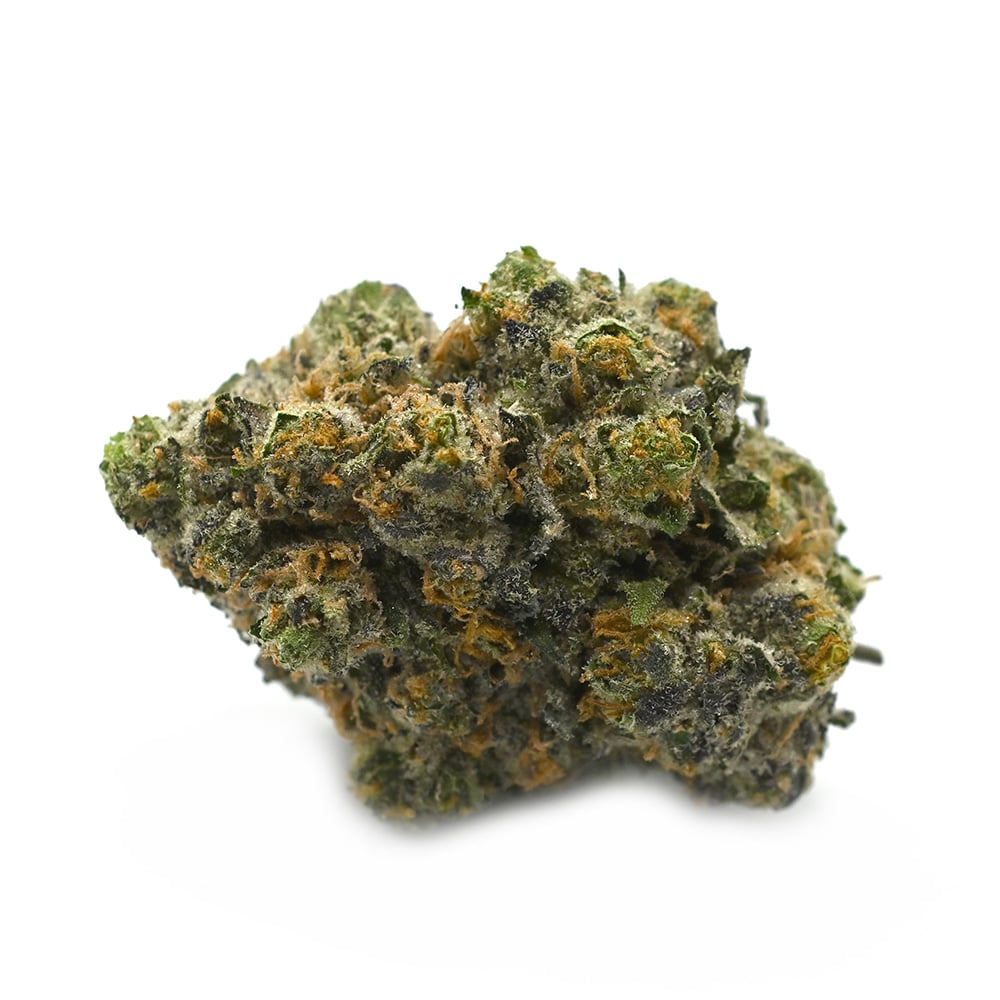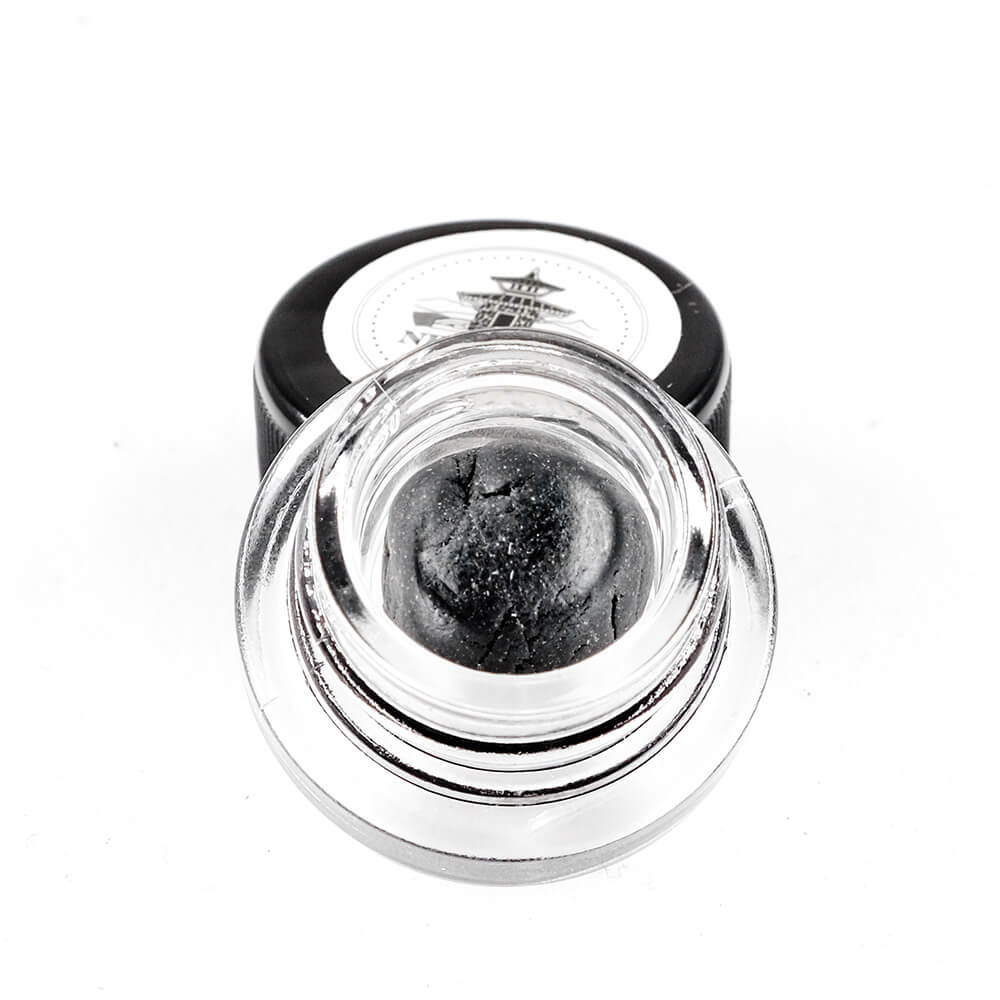


From old-world hash to modern live resin, shatter, distillate, moon rocks, and phoenix tears, this is your home base for understanding every cannabis concentrate and how to enjoy it.
Concentrates are where cannabis gets serious about flavour and potency. If flower is the whole fruit, concentrates are the pressed juice: smaller, stronger, and packed with the parts that matter. This is your home base for understanding all of it, from old-world hash to modern live resin.
The world of concentrates can look intimidating at first, with a wall of unfamiliar names like shatter, budder, distillate, and phoenix tears. It does not need to be. On this page we break the whole category into simple groups, explain what makes each one special, and link you to deeper guides whenever you want the full detail. Start anywhere that catches your eye.
Table of Contents
- Concentrates 101: The Quick Orientation
- Hash Fundamentals: Types, Making, Smoking, and Storing
- Regional Hash Types and Terpenes
- Live Resin and Rosin
- Shatter and Wax
- Distillate and Cannabis Oils
- Moon Rocks and Phoenix Tears
- Smoking vs Vaping Concentrates
- Dabbing for Beginners
- Frequently Asked Questions
1. Concentrates 101: The Quick Orientation
Before we dive into specific products, let us zoom out for a second. Every concentrate is built on one simple idea: take the most active and flavourful parts of the cannabis plant, the trichomes, and separate them from the leafy material you do not need. What changes from one concentrate to the next is how that separation is done and how the result is finished.
There are two broad families. Solventless concentrates, like traditional hash and rosin, use only heat, pressure, water, or agitation to gather the resin. Solvent-based concentrates, like shatter, wax, and live resin, use a solvent such as butane or CO2 to strip the good stuff out, then purge it away, which allows for higher potency and different textures. Neither family is automatically better. They simply offer different flavours, strengths, and price points.
| Product | Typical THC range | Texture | Best for |
|---|---|---|---|
| Flower (for reference) | 15 to 30 percent | Dried bud | Everyday smoking |
| Hash | 30 to 60 percent | Pressed, pliable | Adding to joints and bowls |
| Shatter and wax | 60 to 80 percent | Glassy or buttery | Dabbing and vaping |
| Live resin | 60 to 90 percent | Sauce or sugar | Flavour-focused dabbing |
| Distillate | 85 to 99 percent | Clear, runny oil | Vapes, edibles, versatility |
2. Hash Fundamentals: The Original Concentrate
Hash has been around for centuries, long before modern extraction labs existed. At its heart, hash is simply the resin glands of the cannabis plant, called trichomes, separated from the flower and pressed together into a potent, flavourful block. Everything else in the concentrate world is, in a sense, a refinement of that idea.
If you are new to hash, the best place to begin is understanding the varieties. There are more than you might expect, each with its own texture, potency, and production method. Our guide to the types of hash walks through fifteen of them in plain language so you can find the style that suits you.
Making, Smoking, and Checking Quality
Curious how hash is actually produced? You can even make some styles at home with basic equipment. Our step-by-step guide on how to make hash at home covers four approachable methods. When it is time to enjoy it, our ways to smoke hash guide shows you every option, from sprinkling it into a joint to using a pipe or vaporizer.
Not all hash is created equal, and knowing how to judge it protects both your money and your experience. Learn the visual and aroma cues of a premium product in our guide to spotting high quality hash, then compare three classic production styles in our hash comparison guide.
Keeping Your Hash Fresh
Like any cannabis product, hash rewards good storage. Kept properly it stays potent and aromatic for a long time. Our hash storage guide covers the four steps that matter, and if you have ever wondered whether an old stash is still good, our honest answer to does hash go bad explains how to read its shelf life.
3. Regional Hash Types and Terpenes
Part of the joy of hash is that different regions developed their own traditions over generations, each producing a distinct character. Exploring them is a bit like exploring wine regions, where geography and technique shape the final flavour.
Moroccan hash is one of the most famous styles in the world, prized for its smooth, balanced effects. Get to know it in our Moroccan hash guide, then dig into a celebrated variety in our breakdown of Rolex Moroccan hash potency.
Flavour in hash comes largely from terpenes, the aromatic compounds that also shape its effects. Red Lebanese hash is known for a particularly rich profile, which we explore in our guide to Lebanese hash terpenes. For the bigger picture on how these compounds work across different products, our overview of hash terpene profiles ties it all together.
4. Live Resin and Rosin: The Flavour Kings
If you have heard cannabis fans rave about flavour lately, they are probably talking about live resin. What sets it apart is the starting material. Instead of drying and curing the plant first, producers freeze it fresh right after harvest, which preserves far more of the delicate terpenes that give cannabis its aroma and taste.
New to the category? Our what is live resin guide is the perfect starting point, covering how it is made, how it tastes, and why it has become so popular. From there you can settle one of the most common questions in the concentrate world with our resin vs rosin comparison, which explains the key difference between the solvent-based and solventless versions.
Going Deeper on Terpenes and Texture
The terpene story is the heart of live resin’s appeal. Our guide on how live resin preserves its terpenes explains the science in friendly terms. You will also run into different textures and forms, including a sparkling variety covered in our terp sugar guide. When you are ready to enjoy it, our walkthrough on how to smoke live resin covers four easy ways to do it right.
5. Shatter and Wax
Shatter and wax are two of the most recognisable concentrates on any menu. Shatter is the glassy, amber sheet that snaps like hard candy, while wax has a softer, opaque, almost buttery texture. Both deliver high potency, and the difference often comes down to how the extract was processed and handled after extraction.
Colour is one of the first things people notice in shatter, and it actually tells you something. Our guide to dark vs light shatter explains what those shades mean for quality and freshness. Ready to try it? Our smoke shatter guide gives you a quick, beginner-friendly rundown.
For the hands-on crowd, wax can even be produced from the comfort of your own kitchen with care and the right approach. Our guide on how to make cannabis wax covers the process and the safety basics you should never skip.
6. Distillate and Cannabis Oils
Distillate sits at the purest, most refined end of the concentrate spectrum. Through careful distillation, producers strip the extract down to nearly pure cannabinoid, often reaching very high THC levels with little taste or smell of its own. That blank-canvas quality makes it incredibly versatile for vaping, dabbing, and infusing into other products.
Get the full picture in our THC distillate guide, then discover how flavour is added back in with our look at flavored distillate, which pairs that pure base with chosen terpene profiles.
Oils and Infusions You Can Make Yourself
Concentrates are not only for smoking. Many of the most useful ones are oils and infusions you can cook with or use to make your own products. If you collect kief from your grinder, you can turn it into something potent with our guide to making kief oil at home. And for the edibles crowd, learning to make weed budder opens the door to infusing just about any recipe.
7. Moon Rocks and Phoenix Tears
Some concentrates are a category all their own. Moon rocks and phoenix tears are two of the most talked-about, and for very different reasons.
Moon Rocks: The Strongest Treat in the Room
Moon rocks are a cannabis connoisseur’s indulgence. They start with a quality flower bud, coat it in sticky concentrate, then roll the whole thing in kief, stacking three potent layers into one. The result is famously strong. Get acquainted in our guide to moon rocks explained, understand just how hard they hit in our breakdown of moon rock strength, and learn to enjoy them the right way with our guide on how to smoke moon rocks. A little goes a long way here, so pace yourself.
Phoenix Tears and RSO
Phoenix tears, also known as RSO, are a thick, full-spectrum cannabis oil that many people explore for wellness reasons. Start with our phoenix tears RSO guide for the full overview, then see how it stacks up against other oils in our phoenix tears comparison.
Because people often turn to this oil with specific goals in mind, we have covered the common ones in depth: explore its role in pain management, its discussion around mental health, and what to know about its effects and safe use.
8. Smoking vs Vaping Your Concentrates
Once you have your concentrate, you have choices about how to enjoy it. The two main routes are combustion, like adding hash to a joint or bowl, and vaporization, which heats the product without burning it. Each has trade-offs in flavour, intensity, and convenience.
If you cannot decide, our head-to-head on smoking or vaping hash lays out the differences clearly. Leaning toward vaping for its cleaner taste and lower temperatures? Our beginner-friendly vaping hash guide walks you through getting set up and dialling in your experience.
9. Dabbing for Beginners
Dabbing is the method that delivers concentrates at their most intense, and it is worth understanding even if you decide it is not for you yet. In short, dabbing means vaporising a small dose of concentrate against a heated surface and inhaling the vapour, usually through a dab rig or an electronic version.
The appeal is flavour and immediacy. Because the concentrate is heated quickly and cleanly, you taste the terpenes vividly and feel the effects almost at once. That same intensity is why dabbing is best approached with respect.
If a full rig setup feels like a lot, a quality vaporizer designed for concentrates is a friendlier entry point and pairs naturally with the vaping guidance above. Whichever route you choose, ease in, hydrate, and give each dose time to settle before reaching for another. Once you are comfortable, the products that shine for dabbing are the high-terpene ones, especially live resin and rosin, where the flavour really earns its keep.
Explore Premium Concentrates
Browse our full range of lab-checked hash, live resin, shatter, and more, delivered discreetly across Canada.
10. Frequently Asked Questions
Hash is one of the oldest concentrates, made by separating and pressing the resin glands of the cannabis plant. Newer concentrates like shatter, wax, and live resin use solvents or fresh-frozen material to capture higher potency and more terpenes, which usually means a stronger and more flavourful product.
Yes, considerably. Flower usually tests between 15 and 30 percent THC, while many concentrates land between 60 and 90 percent or higher. That is why a small amount goes a long way and why concentrates suit experienced users or anyone willing to start very low and go slow.
Live resin is made from cannabis frozen fresh right after harvest rather than dried and cured first. That locks in more of the plant’s natural terpenes, giving live resin its bold aroma, rich flavour, and full effects. Our live resin guide above has the complete story.
The gentlest start is adding a little hash or kief to a joint or bowl, or vaping at a low temperature. Dabbing gives the most intense hit and is best saved for once you are comfortable with concentrates and know your tolerance.
They can lose quality over time as heat, light, and air break down cannabinoids and terpenes. Stored in an airtight container somewhere cool and dark, most concentrates stay good for many months. Our hash storage guide covers the details.
Last updated: June 2026. This guide is regularly updated with new products, research, and reader feedback. Have a question we did not answer? Leave a comment and our team will help.